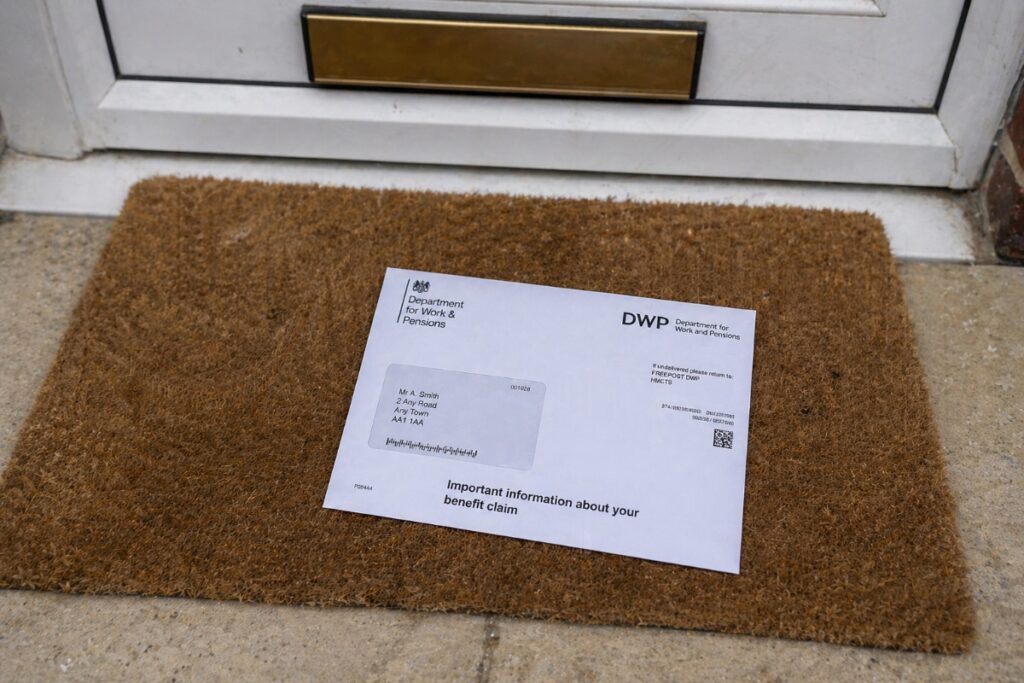

Receiving an invitation to attend a DWP interview under caution can understandably be fairly worrying. You may not know exactly what you are suspected of doing, what questions will be asked or whether the matter could lead to prosecution.
An interview under caution is not the same as a routine conversation about your benefit claim. It is a formal interview conducted as part of a potential criminal investigation. What you say during the interview may be recorded and could later be used as evidence.
Getting legal advice before attending can help you understand the allegation, prepare properly and avoid making decisions without appreciating their possible consequences.
Why has the DWP asked me to attend an interview under caution?
The Department for Work and Pensions may arrange an interview under caution when it has grounds to suspect that a benefit-related offence may have been committed.
This does not automatically mean that the DWP has concluded that you are guilty. The interview gives investigators an opportunity to ask about the information they have gathered and allows you to provide your explanation.
The investigation may relate to matters such as:
- Changes in income or employment
- Savings, investments or other capital
- Living with a partner
- Changes in your household
- Receiving benefits while spending time abroad
- Undeclared property or income
- Information provided when a claim was made
- A failure to report a change in circumstances
The invitation letter may provide some information about the benefit or period being investigated. However, it may not explain the full allegation or identify all the evidence held by the DWP.
Is an interview under caution the same as a compliance interview?
No. A DWP compliance interview is generally used to check whether the information attached to a benefit claim is accurate and up to date. It can result in changes to a claim or the recovery of an overpayment, but it is not necessarily part of a criminal investigation. You can find out more about a DWP compliance interview here.
An interview under caution is more serious. It takes place because an investigator suspects that an offence may have been committed.
The DWP confirms that an interview under caution is a formal interview which is often recorded and may form part of a criminal investigation.
Someone who has already attended a compliance interview may subsequently be invited to an interview under caution if the information identified during the compliance process gives rise to further concerns.
Is a DWP interview under caution voluntary?
DWP interviews under caution are normally voluntary. You are not usually under arrest or detained, and the interview is commonly conducted by DWP investigators rather than police officers.
However, this does not mean that the invitation should be ignored. Refusing to attend will not necessarily stop the investigation. The DWP may continue to consider the evidence it already holds and make decisions without hearing your full explanation.
Before accepting, rearranging or declining an interview, it is sensible to obtain advice from a solicitor with experience of DWP benefit fraud investigations.
What happens before the interview?
Your invitation should tell you when and where the interview will take place. It may also identify the benefit being investigated and provide general information about the suspected issue.
A benefit fraud solicitor can review the invitation and contact the investigator before the appointment. Depending on the circumstances, the solicitor may be able to obtain further information about the nature of the allegation and the subjects likely to be discussed.
Your solicitor can also speak to you about:
- Your benefit claim
- The information you gave to the DWP
- Any changes in your circumstances
- Relevant correspondence and documents
- The evidence you may need to provide
- The questions you are likely to face
- Whether you should answer questions during the interview
Preparing for the interview does not mean creating or rehearsing a version of events. It means understanding the process, identifying relevant facts and making an informed decision about how to respond.
What happens when the interview begins?
The interview is normally conducted by one or more trained investigators.
At the start, the investigators should explain the allegation or the nature of the suspected offence. You will then be cautioned.
The caution will explain that you do not have to say anything, but that it may harm your defence if you fail to mention something when questioned which you later rely on in court. Anything you do say may be given in evidence.
This is an important warning. It does not simply mean that you should answer every question, nor does it mean that remaining silent can never have consequences. The most appropriate approach depends on the evidence, the allegation and your individual circumstances.
You should obtain legal advice before deciding whether to answer questions, provide a prepared statement or make no comment.
Will the interview be recorded?
A DWP interview under caution is normally recorded. The recording preserves the questions asked and the answers given, and it may form part of the evidence considered later in the investigation.
You should therefore assume that anything you say during the interview may be examined closely at a later stage.
Even an answer that appears harmless can create difficulties if it is inaccurate, inconsistent or based on a misunderstanding of the question. It is important to listen carefully and avoid guessing where you do not know or cannot remember the answer.
What questions will the DWP ask?
The questions will depend on the nature of the investigation.
Investigators may ask about your personal circumstances, household, finances, employment, savings, property, relationships or time spent outside the UK. They may also ask about forms you completed, telephone calls, online updates or letters sent to the DWP.
You may be shown documents or asked to comment on information obtained from other sources.
The investigators may already hold more evidence than is described in the invitation. The purpose of the interview may include testing your account against that evidence.
Can I have a solicitor with me?
You can arrange for a solicitor or legal adviser to attend a DWP interview under caution with you.
However, a DWP interview held away from a police station and without a police officer present does not normally carry the same automatic entitlement to free legal advice that applies to a police interview.
Your solicitor can advise you privately before the interview, help ensure that you understand the questions and intervene where clarification is needed. They can also advise you during breaks if an unexpected issue arises.
Having a solicitor present is not an admission of guilt. It is a sensible precaution when participating in a formal interview that could be used in a criminal investigation.
Should I answer every question?
There is no single answer that is appropriate in every case.
Some people assume that cooperating fully must always be the safest approach. Others believe that saying nothing will automatically protect them. Either decision can carry risks when it is made without understanding the evidence and the law.
A solicitor can advise whether it is appropriate to:
- Answer questions
- Provide a prepared statement
- Answer some questions but not others
- Make no comment
- Supply documents or further information after the interview
The correct approach will depend on the allegation, the available evidence and the explanation you are able to provide.
What happens after a DWP interview under caution?
You will not always be told the outcome immediately.
The investigators may need to review the recording, consider documents, carry out further enquiries or obtain additional information. Possible outcomes can include:
- No further action
- A change to your benefit entitlement
- Recovery of an alleged overpayment
- An administrative penalty
- A benefit-related penalty
- Referral for prosecution
Government guidance confirms that a benefit fraud investigation may result in benefits being reduced or stopped, recovery of overpaid benefit, a financial penalty or criminal proceedings, depending on the circumstances.
The outcome is not determined solely by the amount of an alleged overpayment. Investigators and prosecutors may also consider the evidence, the period involved, how the overpayment arose and whether dishonesty or deliberate non-disclosure can be proved.
Speak to Benefit Legal Services before your interview
An interview under caution is a significant stage in a DWP investigation. Decisions made before and during the interview may affect how the case progresses.
Benefit Legal Services are specialist Benefit Fraud Solicitors and we provide advice and representation in DWP benefit fraud matters, including interviews under caution. We can review your invitation, discuss the allegation and help you prepare before speaking to investigators. Contact us today to see how we can help.