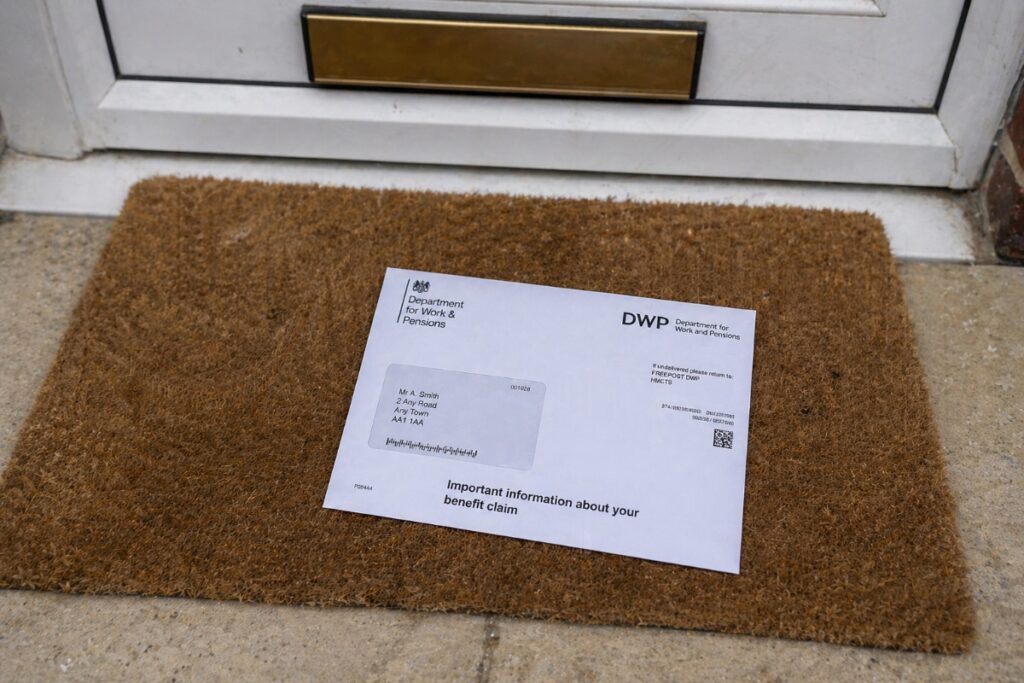

Finding out that the DWP is looking into your benefit claim can understandably leave you unsure about what to do next.
You may have received a letter, been asked to provide documents or been invited to an interview. You may also believe that the issue is an innocent mistake which can be resolved simply by explaining what happened.
Not every DWP enquiry leads to a criminal allegation. However, once there is a possibility of a benefit fraud investigation, getting advice from a benefit fraud solicitor can help you understand the seriousness of the situation and respond appropriately.
What is a DWP benefit fraud investigation?
A DWP benefit fraud investigation examines whether someone has deliberately claimed benefit they were not entitled to receive or failed to report information that affected their entitlement.
Investigations can relate to benefits including Universal Credit, Employment and Support Allowance, Personal Independence Payment, Pension Credit and other forms of support administered by the DWP.
The investigation might concern:
- Undeclared employment or earnings
- Savings or capital
- Living with a partner
- Changes to a household
- Property ownership
- Time spent outside the UK
- Inaccurate information provided during a claim
- A change of circumstances that was not reported
- Allegations made by another person
An investigation does not necessarily prove that fraud has occurred. Benefit rules can be complicated, circumstances can change gradually and information may have been misunderstood or reported incorrectly.
The distinction between a mistake and deliberate dishonesty can be extremely important.
When should I contact a benefit fraud solicitor?
It is usually better to seek advice early rather than wait until the DWP has completed its investigation.
You should consider speaking to a benefit fraud solicitor if:
- You have been invited to an interview under caution
- The DWP has accused you of providing false information
- You have been asked to explain your finances or living arrangements
- Investigators have requested bank statements or other records
- You have received a large overpayment decision
- You believe the DWP has misunderstood your circumstances
- You are concerned that something was not reported correctly
- The case has been referred for prosecution
- You have received a court summons or written charge
The Government specifically advises anyone invited to an interview under caution to obtain advice about their case, including from a legal adviser or solicitor.
You do not have to wait until you have been charged with an offence. Advice at an earlier stage may help you avoid providing an inaccurate or incomplete account which becomes more difficult to correct later.
Do I need a solicitor for a compliance interview?
A compliance interview is generally less serious than an interview under caution. It is often arranged because the DWP wants to check information connected with a claim.
You may not always need a solicitor to attend a routine compliance interview. However, you should consider obtaining advice where:
- You do not understand why the interview has been arranged
- The questions appear to involve suspected dishonesty
- There may have been a significant overpayment
- The DWP is asking about a partner, income, savings or property
- You are worried that the interview could develop into a fraud investigation
- You have already given information which may have been incorrect
A compliance interview can sometimes identify issues that lead to further investigation. Taking early advice can help you understand the distinction between a routine entitlement check and a matter which could become more serious.
Do I need a solicitor for an interview under caution?
An interview under caution is a formal investigative interview and can form part of a criminal case. It is normally recorded, and your answers may later be used as evidence.
It is therefore strongly advisable to speak to a solicitor before attending.
The interview gives you an opportunity to provide an explanation, but it is not simply an informal meeting where you can talk through the situation without consequence. You will be asked questions by investigators who may already have gathered documents and other evidence.
A benefit fraud solicitor can help you understand:
- What offence may be under investigation
- What the DWP appears to be alleging
- What evidence may be relevant
- Whether documents support or contradict the allegation
- Whether you should answer questions
- Whether a prepared statement may be appropriate
- What could happen after the interview
DWP interviews under caution are usually attended voluntarily, and the person being interviewed is not normally detained or under arrest. However, they remain a serious part of the investigative process.
What can a benefit fraud solicitor do?
A solicitor’s role is not limited to speaking on your behalf in court.
Depending on the stage of the case, a benefit fraud solicitor may be able to:
Review the DWP’s letter
The wording of an invitation, document request or decision letter can provide important information about the stage the investigation has reached.
Your solicitor can explain what the letter means and what action may be required.
Establish the nature of the allegation
The DWP may not initially provide full details of all the evidence it holds. A solicitor can contact the investigator, seek further information and establish the subjects likely to be discussed.
The amount of information disclosed before an interview will depend on the circumstances and the investigator’s approach.
Review your evidence
Documents such as bank statements, tenancy records, employment information, correspondence and records of contact with the DWP may be important.
A solicitor can help identify what is relevant and how it relates to the allegation.
Prepare you for an interview
Preparation can help you understand the interview process and avoid being taken by surprise.
Your solicitor can discuss likely areas of questioning and advise you about answering questions, making a prepared statement or exercising your right to silence.
Attend the interview
A solicitor can attend the interview, ensure that you understand what is being asked and advise you if unexpected evidence or allegations are raised.
Make representations
In an appropriate case, a solicitor may provide further information or representations after the interview. These may address factual inaccuracies, legal issues, personal circumstances or reasons why prosecution would not be appropriate.
Represent you in court
Where a case does proceed to prosecution, a solicitor can advise you about the evidence, plea, possible defences and the court process.
What if the overpayment was a mistake?
An overpayment does not automatically establish benefit fraud.
Benefit overpayments can arise for several reasons, including administrative error, misunderstanding, delayed reporting or disagreement about how benefit rules apply.
For a criminal prosecution, the authorities must prove the relevant offence. Depending on the charge, this may involve proving dishonesty, a false statement or a deliberate failure to disclose information.
This is why it is important not to assume that an overpayment decision and a criminal allegation are the same thing.
If you believe you made an honest mistake, you should explain the circumstances carefully and provide any evidence that supports your account. However, it is sensible to obtain advice before giving a detailed statement during a formal investigation.
What if I have already repaid the money?
Repaying an alleged overpayment does not necessarily bring a fraud investigation to an end.
The recovery of benefit and the decision about whether to impose a penalty or pursue criminal proceedings are separate issues. Government guidance lists repayment, penalties, changes to benefit and prosecution as possible consequences following a benefit fraud investigation.
Repayment may still be relevant to the overall handling of the case, but it should not be assumed that paying the money automatically prevents further action.
Can a solicitor guarantee that I will not be prosecuted?
No solicitor can guarantee the outcome of a DWP investigation.
The decision will depend on the evidence, the alleged offence and the circumstances of the case. However, obtaining specialist advice can help ensure that your position is properly understood and that you do not make uninformed decisions during the investigation.
A solicitor may also identify weaknesses in the allegation, relevant evidence that has been overlooked or legal issues which affect whether the case should proceed.
Is it too late to get legal advice?
It is rarely too late to seek advice.
A solicitor may still be able to help if you have:
- Already attended an interview
- Received an overpayment decision
- Been offered an administrative penalty
- Received notice of intended prosecution
- Been charged with an offence
- Received a court summons
However, there are clear advantages to obtaining advice before attending an interview or responding in detail to an allegation.
The earlier your solicitor understands the matter, the more opportunity there may be to gather documents, clarify the facts and advise you before important decisions are made.
Speak to Benefit Legal Services
Benefit Legal Services advises and represents people facing DWP benefit investigations, interviews under caution and benefit fraud allegations. We provide specialist legal advice for DWP benefit fraud investigations.
We can review the correspondence you have received, explain the stage your case has reached and advise you on the most appropriate next steps.
Contact Benefit Legal Services on 0800 099 6270 or email admin@benefitlegalservices.com.