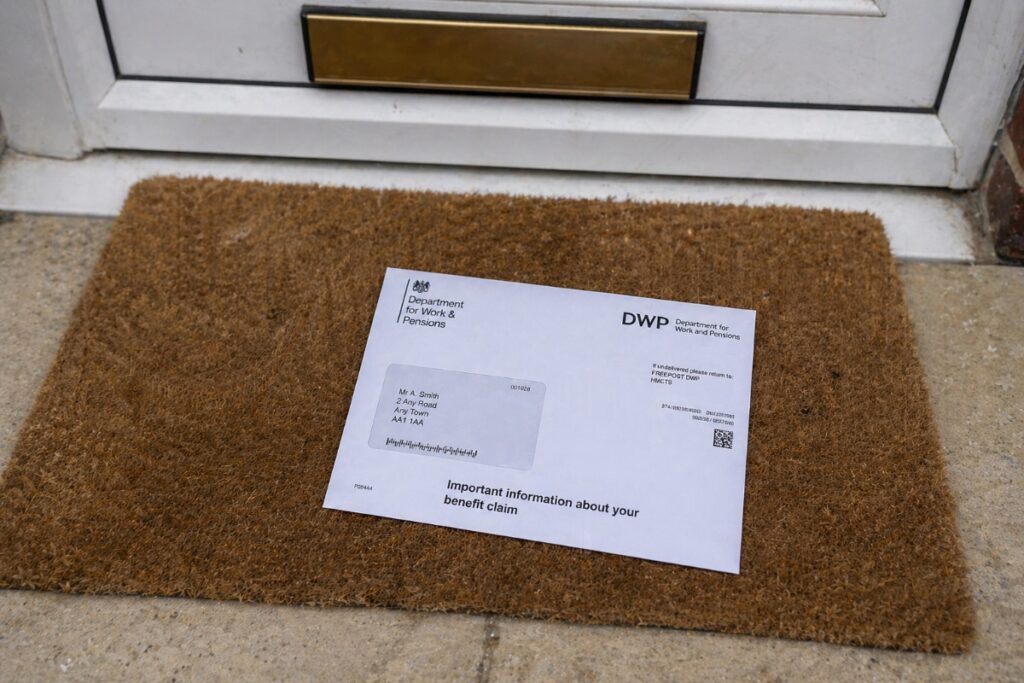
Being investigated for benefit fraud does not automatically mean that you will be prosecuted.
A DWP investigation can lead to several different outcomes. These may include no further action, recovery of an overpayment, an administrative penalty or referral to the Crown Prosecution Service for a decision about prosecution.
The outcome will depend on the evidence, the seriousness of the allegation and the individual circumstances of the case. It is therefore important not to assume that prosecution is inevitable, but equally important not to dismiss the investigation as a routine benefit matter.
Early advice from a benefit fraud solicitor can help you understand the allegation and the possible outcomes.
Does every DWP benefit fraud investigation lead to prosecution?
No. The DWP does not prosecute every person it investigates for suspected benefit fraud.
Fraud Investigation Officers may gather information, review benefit records, request documents and conduct an interview under caution before deciding whether further action is appropriate. A formal interview may form part of a criminal investigation, but being invited to one does not itself mean that a decision to prosecute has already been made.
Possible outcomes following an investigation include:
- No further action
- A change to benefit entitlement
- Recovery of an overpayment
- A financial penalty
- Referral of the case to the Crown Prosecution Service
- Criminal prosecution
The DWP may also decide that the available evidence does not establish deliberate wrongdoing, even where it believes that too much benefit has been paid.
Who decides whether a benefit fraud case is prosecuted?
DWP investigators gather the evidence and may refer a case for benefit fraud prosecution.
In England and Wales, the decision to charge and prosecute in welfare fraud cases is made by a Crown Prosecution Service prosecutor. The CPS applies the Code for Crown Prosecutors when reviewing the evidence and deciding whether a case should proceed.
The decision involves two main questions:
- Is there enough evidence to provide a realistic prospect of conviction?
- Is prosecution required in the public interest?
Both parts of this test generally need to be satisfied before a prosecution can proceed.
Is there enough evidence to prosecute?
The first consideration is the strength of the evidence.
A prosecutor must be satisfied that there is a realistic prospect of conviction. This means assessing whether an objective court is more likely than not to convict after hearing the evidence and considering any likely defence.
The evidence must also be capable of being used in court and should be sufficiently reliable and credible.
Evidence in a benefit fraud investigation may include:
- Benefit claim forms and online declarations
- Records of changes reported to the DWP
- Bank statements and financial records
- Employment and earnings information
- Tenancy or property records
- Evidence relating to household or relationship circumstances
- Communications with the DWP
- Information obtained from other public bodies
- Answers given during an interview under caution
- Evidence provided by the person under investigation
The question is not simply whether there has been an overpayment. The prosecution must have evidence capable of proving the relevant criminal offence.
Does an overpayment prove benefit fraud?
No. A benefit overpayment and benefit fraud are not the same thing.
An overpayment may arise because of:
- An administrative error
- Delayed information
- A misunderstanding of the benefit rules
- An accidental failure to report a change
- Incorrect information provided without dishonest intent
- A disagreement about entitlement
Depending on the offence being considered, the prosecution may need to prove that a person acted dishonestly, knowingly provided false information or knowingly failed to disclose a relevant change.
A large overpayment can make a case more serious, but the amount alone does not establish criminal intent.
Does the amount of the overpayment affect prosecution?
The value of the alleged overpayment may influence how seriously the case is viewed, but there is no simple rule that every case above a particular amount will automatically be prosecuted.
The amount may be considered alongside matters such as:
- How long the alleged conduct continued
- Whether the conduct was deliberate
- Whether false documents or identities were used
- Whether the claim involved repeated false statements
- Whether the person attempted to conceal information
- Whether there were previous benefit fraud offences
- The person’s role and level of involvement
- The overall harm caused
A relatively modest overpayment could still lead to prosecution where the evidence suggests deliberate and planned dishonesty. Equally, a substantial overpayment may require careful examination of how it arose and whether the necessary criminal intent can be proved.
Does the DWP consider whether the conduct was deliberate?
Yes. The difference between an honest mistake and deliberate deception is central to many benefit fraud cases.
Investigators may consider:
- What the person knew at the time
- What information they had been given about reporting changes
- Whether they had previously reported similar changes
- Whether the same information was omitted repeatedly
- Whether they took steps to hide their circumstances
- Whether their explanation is consistent with the documents
- Whether they understood the relevant benefit requirement
It is important to avoid guessing or giving an inaccurate account when questioned. Something said in an attempt to be helpful can create difficulties if it is inconsistent with documents or later evidence.
Anyone invited to an interview under caution should consider obtaining legal advice before deciding how to respond.
What is the public interest test?
Even where there is enough evidence, prosecution is not automatic.
The CPS must also decide whether prosecution is required in the public interest. The more serious the alleged offence, the more likely prosecution will be considered appropriate. However, prosecutors must assess the circumstances of the individual case rather than applying a fixed rule.
Relevant public interest considerations may include:
- The seriousness of the alleged offence
- The level of planning or premeditation
- The amount obtained
- The length of time involved
- Whether the conduct was repeated
- Any previous convictions or penalties
- The person’s age and maturity
- Significant physical or mental health issues
- Whether the person was coerced or exploited
- Whether prosecution would be proportionate
- Whether an alternative outcome would adequately address the case
No single factor necessarily determines the decision. One significant factor may outweigh several others pointing in the opposite direction.
Can the DWP offer a penalty instead of prosecution?
In some benefit fraud cases, the DWP may offer an administrative penalty as an alternative to criminal prosecution.
Current government guidance describes an administrative penalty as a financial penalty that may be offered where there is evidence of benefit fraud but prosecution is not considered the most proportionate outcome. Accepting one does not amount to an admission of fraud, although the person accepts the financial penalty attached to the alleged overpayment.
An administrative penalty should not be accepted without understanding:
- The evidence supporting the allegation
- The amount of the alleged overpayment
- The financial consequences
- The effect on continuing benefits
- What may happen if the offer is rejected
- Whether the overpayment decision itself can be challenged
If an administrative penalty is declined, the case may be referred to the CPS to consider prosecution. This does not mean that prosecution or conviction will automatically follow, but it can expose the person to the risk of criminal proceedings.
Legal advice should be obtained before accepting or rejecting a penalty.
Does repaying the overpayment stop a prosecution?
Not necessarily.
Repayment and prosecution are separate matters. The DWP may seek recovery of an overpayment whether or not a criminal case is brought.
Repaying the money may be relevant when the overall circumstances are considered, but it does not erase the allegation or guarantee that the case will not be prosecuted.
Government guidance confirms that recovery of the overpaid money, a financial penalty, benefit restrictions and court proceedings are separate possible consequences of benefit fraud.
Anyone considering repayment should also check whether they agree that the overpayment is correct. There may be separate rights to ask for a mandatory reconsideration or appeal against the benefit decision.
Can admitting the allegation prevent prosecution?
An admission does not automatically prevent prosecution.
Cooperation, remorse and an early acceptance of responsibility may be relevant to the handling of a case and, where proceedings follow, to sentencing. However, an admission can also become important evidence against the person making it.
It is therefore unwise to admit an offence simply in the hope that doing so will prevent court action.
Before providing a formal account, signing a statement or accepting an administrative penalty, you should understand exactly what is alleged and what evidence is said to support it.
What happens after an interview under caution?
After an interview under caution, investigators may:
- Review the recording and documents
- Carry out further enquiries
- Request additional information
- Recalculate benefit entitlement
- Decide that no further action is required
- Consider an administrative penalty
- Refer the evidence to the CPS
The decision may not be made immediately. It can take time for financial records, benefit calculations and interview evidence to be reviewed.
If the matter is referred to the CPS, a prosecutor will assess the case under the evidential and public interest stages of the Full Code Test.
Our guide explains what happens during a DWP interview under caution and what you may expect before, during and after the interview.
If you are waiting for an outcome, this guide explains how long a DWP benefit fraud investigation may take and what can cause delays.
How many benefit fraud cases go to court?
There is no fixed percentage that can predict what will happen in an individual case.
Many investigations do not result in prosecution, while others may be resolved through overpayment recovery or an administrative penalty. More serious cases, or those involving stronger evidence of deliberate dishonesty, may be more likely to be referred for prosecution.
Published figures can show how many cases were referred or prosecuted in a particular period, but they cannot determine the likely outcome of a specific investigation.
The facts and evidence of the individual case remain more important than general statistics.
What happens if the case is prosecuted?
If the CPS authorises a charge, the person may receive a requisition or summons requiring them to attend court.
The appropriate response will depend on:
- The offence charged
- The evidence served by the prosecution
- Whether the alleged overpayment is accepted
- Whether there is a factual or legal defence
- The person’s account and supporting documents
- Any relevant personal mitigation
A conviction can result in a financial penalty, a community order or, in more serious cases, imprisonment. The court may also deal with costs and other financial orders. Benefit recovery can continue separately.
The sentence depends on the offence, the value involved, the level of culpability, any previous record and the wider circumstances.
When should you contact a benefit fraud solicitor?
You should consider seeking advice as early as possible if:
- You have received an interview under caution letter
- You have been accused of failing to report a change
- The DWP is asking for financial or household information
- You have received a substantial overpayment decision
- You have been offered an administrative penalty
- Your case has been referred to the CPS
- You have received a summons or charge
- You believe the DWP has misunderstood your circumstances
Early advice can help clarify the allegation, identify relevant evidence and prevent you from making important decisions without understanding the consequences.
You can also read our guide to when you may need a benefit fraud solicitor for a DWP investigation.
Speak to Benefit Legal Services
The DWP does not prosecute every benefit fraud investigation. However, an allegation should be taken seriously, particularly where you have been interviewed under caution, offered a penalty or told that the case may be referred for prosecution.
Benefit Legal Services advises and represents people facing DWP benefit fraud investigations and criminal proceedings. We can review the evidence, explain the possible outcomes and advise you on the appropriate next steps.
Call 0800 099 6270 or email admin@benefitlegalservices.com to discuss your case.