Being investigated by the Department for Work and Pensions can be extremely unsettling, particularly when you do not know how long the process is likely to continue.
There is no standard timescale for a DWP benefit fraud investigation. Some enquiries can be resolved relatively quickly, while others may take several months or longer. The time required will depend on the nature of the allegation, the amount of evidence involved and whether the case progresses to an interview under caution or possible prosecution.
A long investigation does not necessarily mean that the DWP has decided you are guilty. It may simply mean that investigators are still gathering information, calculating benefit entitlement or deciding what action, if any, should follow.
Is there a time limit for a DWP benefit fraud investigation?
There is no published fixed period within which the DWP must complete every benefit fraud investigation.
The length of an investigation will depend on its individual circumstances. A relatively straightforward issue involving a short period and a limited number of records may be resolved more quickly than an allegation involving several years, multiple benefits, extensive financial records or disputed living arrangements.
The DWP has powers to investigate suspected fraud in order to prove or disprove an allegation. Its investigators may need to gather and assess information before deciding whether the evidence supports further action.
Government guidance explains the general consequences that may follow a benefit fraud investigation, but it does not provide a guaranteed completion timescale.
What happens during a DWP benefit fraud investigation?
The precise process varies from case to case.
Depending on the allegation, investigators may examine:
- The information supplied when a benefit claim was made
- Changes reported to the DWP
- Benefit payment and entitlement records
- Employment and earnings information
- Bank statements and other financial documents
- Savings, investments or property ownership
- Household and living arrangements
- Time spent outside the UK
- Communications between the claimant and the DWP
- Information obtained from other organisations or public bodies
The purpose of the investigation should be to determine whether the claimant was entitled to the benefit they received and whether any incorrect information or failure to report a change was deliberate.
An overpayment does not automatically prove benefit fraud. Overpayments can arise through mistakes, misunderstandings, delays and administrative errors as well as deliberate non-disclosure.
What can make a DWP investigation take longer?
Several factors can affect how long the investigation takes.
The period being investigated
An allegation concerning a few weeks or months may require fewer records than one covering several years.
Where investigators need to reconstruct someone’s circumstances over a long period, they may have to examine numerous benefit decisions, bank statements, employment records and communications.
The complexity of the allegation
Some cases involve one relatively clear issue. Others may concern several possible changes of circumstances, different benefits or more than one person.
For example, an investigation into whether someone had undeclared earnings may involve different evidence from an allegation concerning savings, property ownership or living with a partner.
The amount of information required
The DWP may need to obtain information from the claimant or from other sources.
Delays can occur where records are incomplete, further documents are requested or information must be checked against other evidence.
Disagreement about the facts
An investigation may take longer if the claimant disputes the DWP’s interpretation of their circumstances.
The DWP may believe that two people were living together as a couple, for example, while the claimant maintains that they were not. Such cases can involve detailed consideration of financial, domestic and personal arrangements rather than one decisive document.
Calculating an alleged overpayment
Even if the DWP concludes that entitlement was affected, it may still need to calculate:
- When the relevant change occurred
- Which benefit payments were affected
- What the claimant should have received
- The total alleged overpayment
The overpayment calculation may be disputed separately from any allegation of dishonest behaviour.
An interview under caution
Where the DWP suspects that a criminal offence may have been committed, it may invite the claimant to an interview under caution.
The interview gives investigators an opportunity to put questions to the person and obtain their explanation. The recording and any further evidence may then need to be reviewed before a decision is made.
You can read more about what happens during a DWP interview under caution in our separate guide.
Further enquiries after the interview
An interview under caution does not always mark the end of the investigation.
The answers given may lead investigators to request more documents, speak to other people or examine additional periods. Alternatively, the explanation and supporting evidence may resolve issues that had previously caused concern.
How long does it take after an interview under caution?
There is no fixed period within which the DWP must provide an outcome after an interview under caution.
Investigators may need to:
- Review the interview recording
- Compare the answers with existing evidence
- Obtain additional records
- Recalculate benefit entitlement
- Consider whether an overpayment arose
- Decide whether no further action is appropriate
- Consider an administrative penalty
- Refer the case for a prosecution decision
You may therefore wait weeks or months for an update. A delay does not, by itself, reveal whether the eventual outcome will be favourable or unfavourable.
Where there has been no communication for some time, a solicitor may be able to contact the investigator and ask whether the matter remains ongoing. The DWP may not always be able to provide a definite completion date while enquiries continue.
Will the DWP tell you when the investigation is finished?
You should normally be informed if the investigation results in action affecting your benefits, an overpayment decision, a penalty or criminal proceedings.
Possible outcomes include:
- No further action
- A change to ongoing benefit entitlement
- Recovery of an overpayment
- A civil or administrative penalty
- Reduction or suspension of benefits
- Referral for prosecution
- Criminal court proceedings
The official GOV.UK guidance on benefit fraud investigations and possible outcomes explains that a person may be required to repay overpaid benefit and may also face a penalty, court action or changes to their benefits.
In some cases, communication may relate to a benefit decision or overpayment without expressly stating that every aspect of the fraud investigation has ended. If the position is unclear, you or your solicitor can seek confirmation from the investigator.
Does a long investigation mean that you will be prosecuted?
No.
The length of an investigation does not determine its outcome. A case may take a long time because evidence is difficult to obtain or the benefit calculation is complicated, yet still result in no criminal proceedings.
Equally, a relatively short investigation could lead to further action if the evidence is clear.
The DWP does not prosecute every benefit fraud case. Where prosecution is considered, the evidence and public interest must be assessed under the relevant prosecution process.
The Crown Prosecution Service guidance on welfare and health fraud cases explains the approach taken when prosecutors review welfare fraud allegations.
Our guide to whether the DWP always prosecutes benefit fraud explains the factors that can influence this decision in more detail.
Can your benefits be stopped while an investigation continues?
An investigation and a benefit entitlement decision are related but distinct issues.
The DWP may review whether the claimant continues to meet the conditions for the benefit. Payments may be changed or stopped if the DWP decides that entitlement no longer exists.
However, a change to benefit entitlement does not automatically establish that a criminal offence has been committed. It may still be necessary to determine how an overpayment arose and whether there is evidence of deliberate dishonesty or non-disclosure.
If you receive a decision changing or stopping your benefit, there may be a deadline for requesting a mandatory reconsideration or pursuing an appeal. You should not wait for the wider investigation to finish before checking the date and your options.
Can you speed up a DWP investigation?
There is no formal procedure that guarantees an investigation will be completed more quickly.
However, unnecessary delay may sometimes be avoided by:
- Responding to reasonable requests within the stated deadline
- Keeping copies of all documents supplied
- Providing clear and complete information
- Informing the DWP if requested evidence is unavailable
- Keeping a record of telephone calls and correspondence
- Asking for clarification where a request is unclear
- Obtaining legal advice before providing a formal account
This does not mean that you should supply every document or answer every question without first understanding why the information has been requested.
Where the matter may involve a criminal allegation, it is sensible to seek advice before submitting a detailed explanation or attending an interview under caution.
What should you do while the investigation is ongoing?
Try not to speculate about what the DWP may be thinking or assume that silence means a particular outcome.
Instead:
- Keep all letters, emails and messages from the DWP
- Note the dates of telephone conversations
- Retain relevant bank statements and other records
- Do not alter or dispose of potentially relevant documents
- Check whether any benefit decision carries an appeal deadline
- Avoid discussing the allegation publicly or on social media
- Seek advice before attending an interview under caution
You should also continue to report relevant changes in your circumstances. An ongoing investigation does not remove the usual obligation to keep the DWP informed about matters that could affect your claim.
Official guidance on reporting changes in your circumstances to the DWP is available here
When should you contact a benefit fraud solicitor?
You should consider obtaining legal advice if:
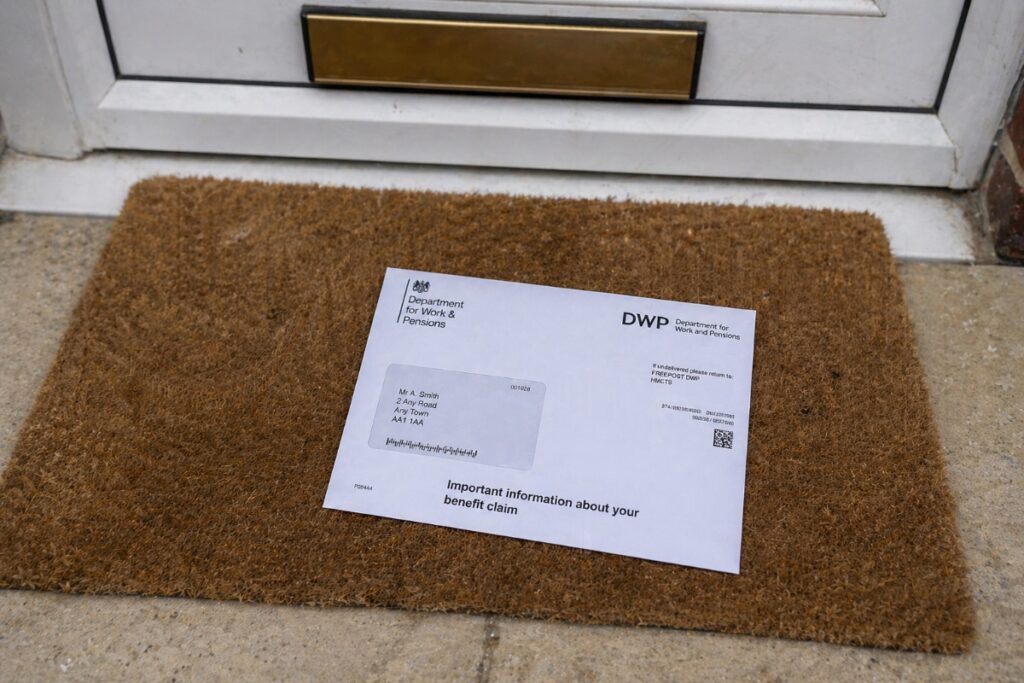
- You have received a letter saying that your claim is being investigated
- You have been asked to provide extensive financial records
- The DWP is questioning your income, savings or relationship status
- You have been invited to an interview under caution
- You have received a significant overpayment decision
- You believe the DWP has misunderstood your circumstances
- You have been offered an administrative penalty
- You have been told that prosecution is being considered
- You have received a court summons or requisition
A benefit fraud solicitor may be able to explain the stage the case has reached, contact the investigator, review the allegation and advise you before you provide further information.
Our guide explains more about when you may need a benefit fraud solicitor during a DWP investigation.
Speak to Benefit Legal Services
There is no standard answer to how long a DWP benefit fraud investigation will take. The timescale depends on the complexity of the allegation, the evidence required and whether the matter progresses to an interview, penalty or prosecution consideration.
Benefit Legal Services advises and represents people facing DWP investigations, compliance interviews, interviews under caution and benefit fraud prosecutions.
We can review the correspondence you have received, explain the possible next stages and advise you on how to respond.
Call 0800 099 6270 or email admin@benefitlegalservices.com to discuss your case.